You Are Here: Home > NEWS > Oil Purifier Technology
Writer: Kaiqian Oil Purifier Release time:2026-11-16 10:10 Clicks:
Whether a vacuum oil purifier consumes a lot of electricity depends on its processing capacity, configuration, oil condition and operating method. A small unit used for periodic filtration may have a relatively modest electrical load, while a large transformer oil treatment system with heating, vacuum dehydration and continuous pumping can require considerably more power. The correct assessment should therefore compare both the rated installed power and the actual energy consumed per hour or per unit of treated oil.
Electricity consumption is not determined by the vacuum pump alone. The heating system, feed pump, discharge pump, filtration stages, electrical control system and auxiliary components all contribute to the total load. In practice, heating is often one of the largest contributors when the oil contains water or has high viscosity, because the machine must raise the oil temperature to improve flow and support evaporation under vacuum.
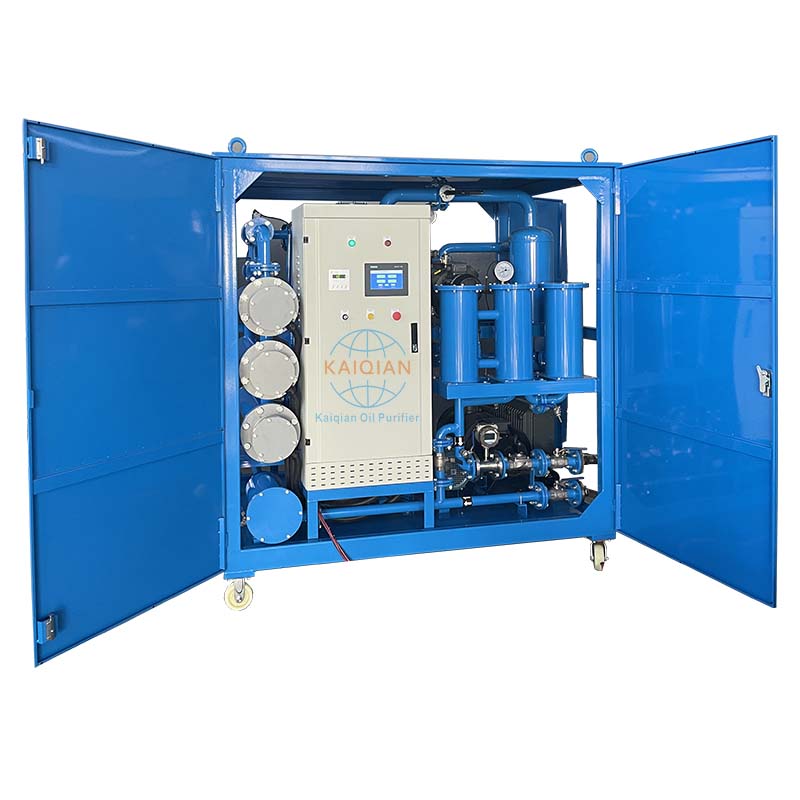
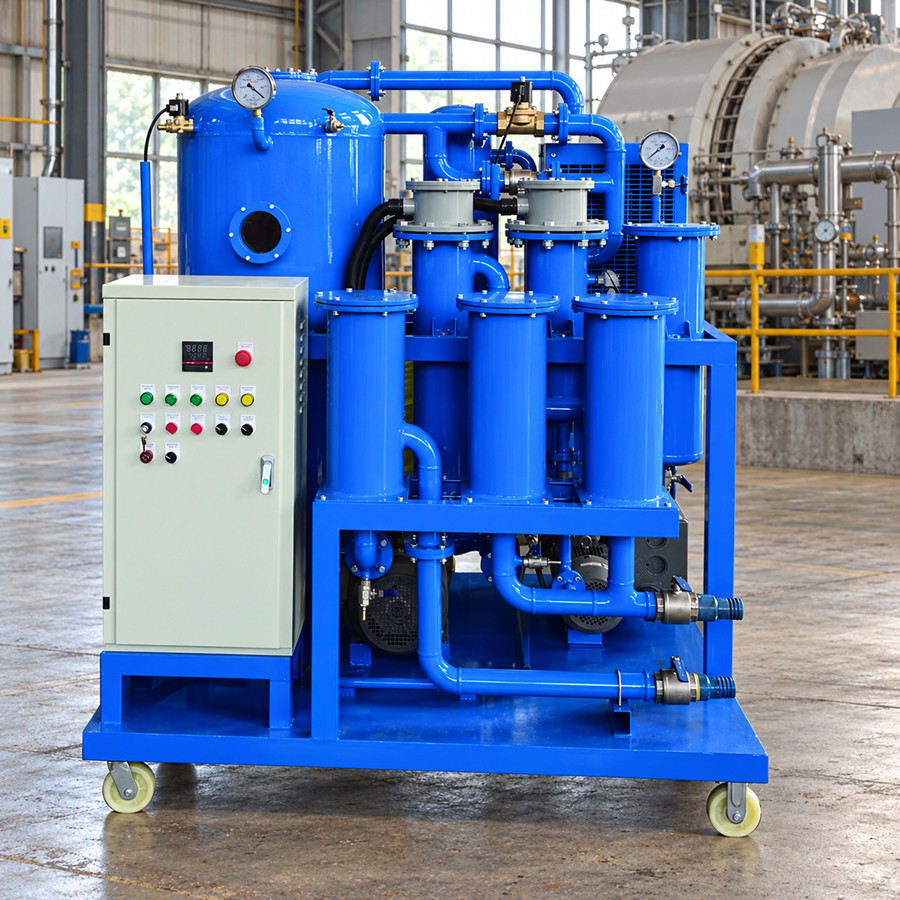
The main electrical consumers are usually the oil pumps, vacuum pump and electric heater. The feed pump moves contaminated oil into the purifier, while the discharge pump transfers treated oil to the storage tank or back to the equipment being serviced. Their power demand is affected by flow rate, oil viscosity, pipeline length, filter resistance and required discharge pressure.
The vacuum pump removes air, water vapor and other gases from the vacuum chamber. Its operating load depends on the required vacuum level, the amount of vapor entering the system and the sealing condition of the chamber and pipelines. If the system has air leakage or excessive moisture ingress, the vacuum pump may run for longer or operate under less favorable conditions, increasing energy use without improving treatment results.
The heating system may consume substantial power during startup and whenever the oil temperature is below the required operating range. Once the oil and machine reach a stable temperature, the heater may cycle on and off rather than operate continuously. Actual consumption is therefore normally lower than the simple multiplication of the heater’s rated power by the full operating time.
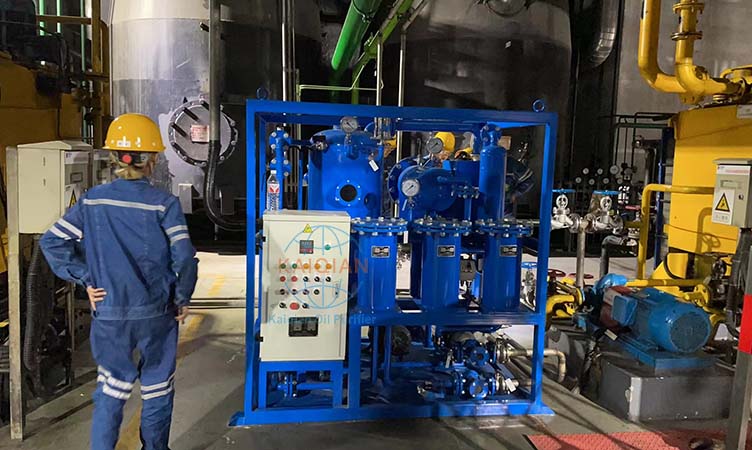
A purifier nameplate may show the total installed power, such as the combined rating of the heater, pumps and vacuum system. This value is useful for selecting cables, circuit breakers, generators and site power capacity, but it does not necessarily represent the average power drawn throughout the entire process.
For example, a machine may have a heater with a relatively high rated power, but the heater may operate intermittently after the oil reaches the target temperature. A pump may also run below its maximum load when the oil is clean, warm and moving through a low-resistance circuit. Conversely, cold, highly viscous or heavily contaminated oil can increase pressure loss and extend the heating and filtration time.
A practical estimate should consider both instantaneous load and operating duration. The basic calculation is:
Energy consumption = average operating power × operating time
The result is normally expressed in kilowatt-hours (kWh). To estimate the cost, multiply the energy consumption by the applicable electricity tariff. This calculation should use measured or reasonably estimated average power rather than simply adding every nameplate value and assuming that all components run continuously.
High water content: More water vapor must be removed, which can prolong vacuum treatment and increase the operating time of the vacuum system and heater.
High oil viscosity: Cold lubricating oil, gear oil or used oil may require more heating and may cause greater pump resistance than relatively light transformer oil.
Severe filter blockage: A clogged filter element increases pressure loss, reduces flow and can increase pump loading. Continuing to operate in this condition may waste energy and damage components.
Air leakage: Poor seals, loose fittings or damaged hoses can prevent the system from maintaining a stable vacuum. The vacuum pump may run longer without achieving the intended dehydration performance.
Low processing efficiency: Repeated circulation, unsuitable flow, incorrect temperature or an oversized treatment process can increase energy consumption per tonne or per batch of oil.
Frequent cold starts: Reheating the machine and oil for short, interrupted operating cycles usually consumes more energy than a properly planned continuous treatment cycle.
Generally, yes. A simple pressure or cart-type filter may mainly use a small transfer pump and filter housing, so its electrical demand is lower. However, it is primarily suitable for removing suspended particles and, depending on the design, some free water. It cannot normally provide the same vacuum dehydration and degassing function as a complete vacuum oil purifier.
A vacuum purifier may consume more electricity because it performs more than mechanical filtration. It can combine filtration, controlled heating, vacuum dehydration and degassing, provided that the oil type, contamination condition and equipment configuration are suitable. The higher energy demand may be justified when the treatment target includes dissolved moisture or gases, but it is unnecessary if the only problem is a small amount of solid contamination.
Oil distillation or waste oil regeneration equipment should be assessed separately. These systems use thermal separation and may have substantially different energy requirements from a vacuum oil purifier. A vacuum purifier is not a substitute for a distillation plant when the objective is to separate degraded oil components, volatile fractions or certain chemical contaminants.

Match the purifier capacity and process design to the actual oil volume and contamination level instead of selecting an oversized unit for every application.
Pre-set the oil temperature according to the oil type and process requirement. Excessive heating can waste energy, accelerate oil oxidation or create safety risks without improving purification.
Check vacuum chamber seals, valves, hoses and fittings regularly to prevent air leakage.
Clean or replace filter elements when differential pressure indicates blockage, following the equipment manual.
Use a suitable inlet pipe diameter and keep pipe runs as short and direct as practical to reduce flow resistance.
Avoid repeated short cycles when the treatment plan allows stable continuous operation.
Record operating time, treated oil volume, temperature and electrical meter readings. Energy consumption per unit of treated oil is more useful than the nameplate power alone.
The estimate should be based on the specific purifier model and the actual process. Important information includes the nominal flow rate, heater rating, pump motor ratings, vacuum pump type, oil viscosity, initial water content, target moisture level, expected operating temperature and whether the machine will run continuously or intermittently.
A hypothetical example illustrates the method: if a purifier operates at an average electrical load of 18 kW for 5 hours, its estimated consumption is 90 kWh for that operating period. This is only an example, not a universal value. The real result may be lower or higher depending on heater cycling, pump loading, oil condition, ambient temperature and the time required to meet the verified oil-quality target.
In conclusion, a vacuum oil purifier is not automatically a high-energy machine, but its electricity consumption can be significant when heating, dehydration and degassing are required for difficult oil conditions. The most reliable evaluation combines the installed power, actual running time and energy consumed per unit of treated oil. Equipment selection should therefore consider purification performance and verified oil quality together with power consumption, rather than judging operating cost from the heater rating or machine size alone.
Address:No.66 Kecheng Road,Jiulongpo District, Chongqing, China
Phone:0086 13983031725
Whatsapp:0086 13983031725
Email:oilpurification@kaiqiancq.com