You Are Here: Home > NEWS > Oil Purifier Technology
Writer: Kaiqian Oil Purifier Release time:2026-11-23 10:10 Clicks:
Waste engine oil refining is not simply a filtration process. A compliant project must control the entire chain, including waste oil collection, storage, pretreatment, distillation or separation, exhaust gas treatment, wastewater management, residue disposal and the final product’s permitted use. The exact requirements depend on the country, region, plant scale and product category, so local environmental and hazardous-waste regulations must be confirmed before equipment selection or construction.
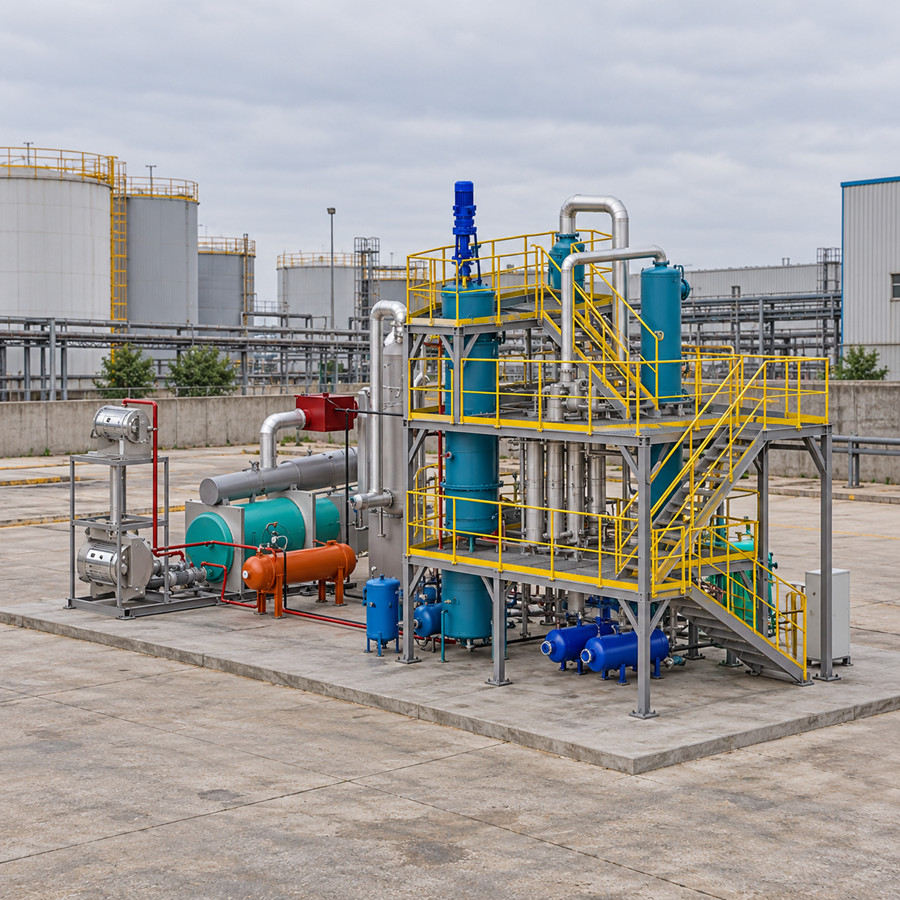
Used engine oil may contain water, metal particles, fuel components, oxidation products and additives. In many jurisdictions, it is managed as hazardous waste or as a regulated waste stream. The operator should verify the waste code, collection qualification, transport documents, storage limits and transfer records required by local authorities.
Waste oil should be received only from traceable sources and stored in sealed, clearly labeled tanks or containers. The storage area normally needs an impermeable floor, secondary containment, rainwater isolation, fire protection and measures to prevent leakage into soil or drainage systems. Different waste streams should not be mixed unless the process and legal requirements allow it.
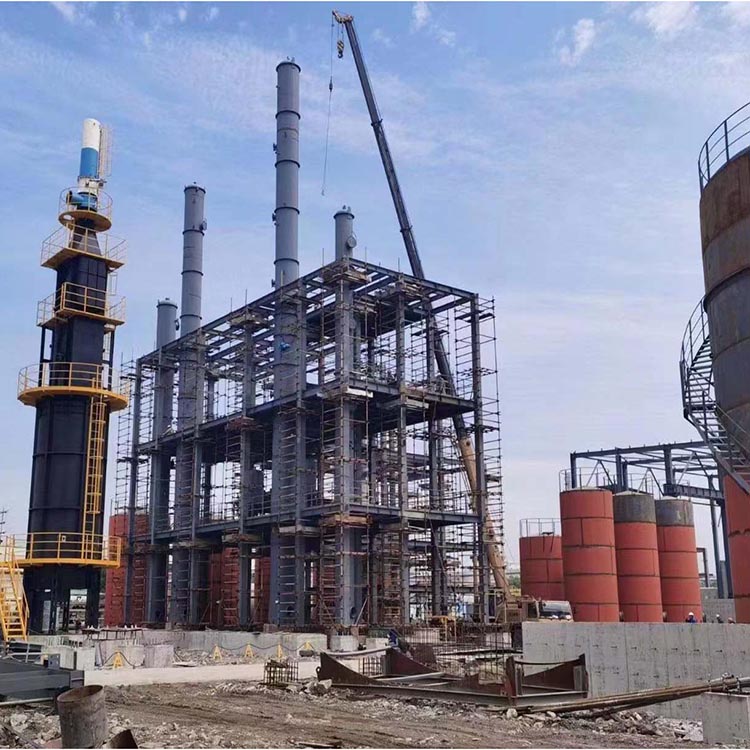
Filtration can remove suspended solids, while dehydration can reduce free or dissolved water under suitable operating conditions. These steps do not by themselves restore the oil or make it compliant as a finished lubricant. Waste engine oil refining usually requires a process such as vacuum distillation or another approved separation method when the objective is to recover base oil fractions or produce a specified fuel product.
Heating and distillation may generate non-condensable gases, oil mist, volatile organic compounds and odors. The plant should use enclosed equipment, suitable condensers, vapor collection and an exhaust treatment system selected for the actual pollutants. Vent lines, vacuum systems and storage tanks also need attention because emissions can occur outside the main processing vessel.
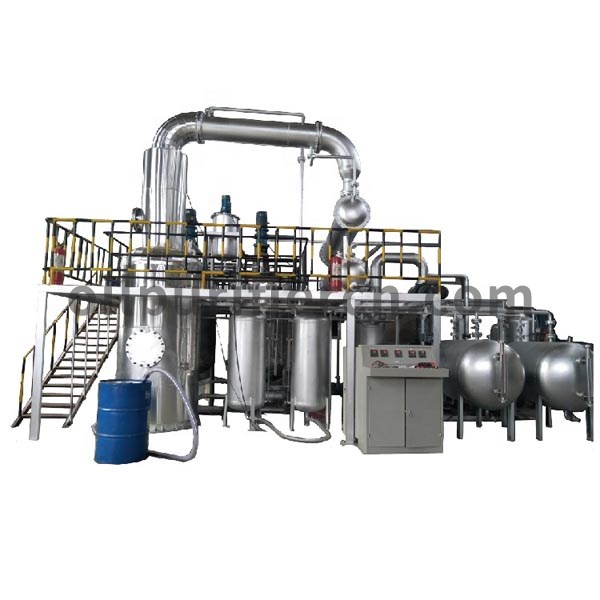
Combustion equipment, thermal oil systems and emergency venting arrangements must meet applicable air-emission, pressure-equipment and fire-safety requirements. Operators should not discharge uncollected vapors or burn waste oil in equipment that has not been approved for that fuel and emission condition.
Water separated from waste engine oil may contain oil, suspended solids, metals and other contaminants. It should be collected in a controlled system and tested before treatment or discharge. Direct discharge to stormwater channels, soil or municipal drains is not an acceptable substitute for wastewater treatment and regulatory approval.
Filter sludge, tank bottoms, distillation residue, spent adsorbents and contaminated packaging may require separate hazardous-waste management. The plant should identify each residue, store it in compatible closed containers, keep transfer records and send it to an authorized treatment or disposal facility. A refining project is not environmentally complete if the recovered oil is acceptable but the residues are unmanaged.
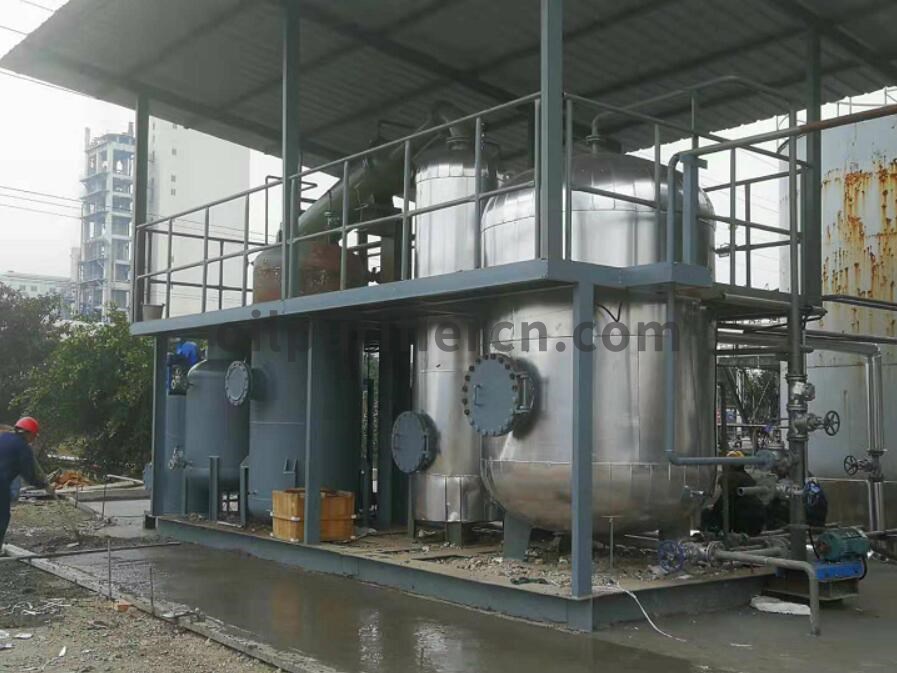
Recovered base oil, fuel oil and diesel are different products and must not be described interchangeably. Color improvement only shows that some visible impurities have been removed; it does not prove that the oil has regained its original performance or meets a product standard. The intended use should determine the process design and the required laboratory tests.
For recovered base oil, evaluate properties such as water, sediment, viscosity, flash point, acidity, density and relevant contaminants according to the intended specification.
For fuel products, verify the applicable fuel quality, combustion, storage and sales requirements before marketing or use.
Do not claim the product is finished lubricating oil or diesel unless it meets the legally applicable product standard and has passed the required testing.
Obtain the local requirements for waste classification, permits, environmental impact assessment and plant operation.
Provide representative samples of the waste oil for testing, including water, sediment, metals, viscosity and flash point where relevant.
Ask whether the proposed equipment separates contaminants by filtration, dehydration, distillation or a combination of processes.
Check the design for vapor collection, exhaust treatment, wastewater handling, residue discharge, fire safety and leak prevention.
Define acceptance criteria for both emissions and recovered products before commissioning the plant.
The most reliable choice is equipment matched to the actual waste composition and the legally permitted product destination. Environmental compliance depends on the complete process and management system, not on the refining machine alone.
Address:No.66 Kecheng Road,Jiulongpo District, Chongqing, China
Phone:0086 13983031725
Whatsapp:0086 13983031725
Email:oilpurification@kaiqiancq.com