You Are Here: Home > NEWS > Oil Purifier Technology
Writer: Kaiqian Oil Purifier Release time:2026-11-23 10:13 Clicks:
When transformer oil has an excessive dielectric loss, first confirm the test result under the correct laboratory conditions, then identify whether the cause is moisture, dissolved gas, suspended contamination, oxidation products or oil deterioration. A vacuum transformer oil purifier can usually remove water, gas and particulate contamination, while seriously oxidized or chemically degraded oil may require adsorption regeneration, replacement or a more specialized treatment process.
Dielectric loss, commonly expressed as the dissipation factor or tan delta, reflects the energy loss of insulating oil under an alternating electric field. A value above the applicable specification may indicate that the oil contains polar contaminants, moisture, oxidation products, dissolved impurities or conductive particles that reduce its insulating performance.
However, dielectric loss is not determined by oil color alone. Clear-looking oil may still contain dissolved water or polar degradation products, while dark oil does not automatically prove that the oil has failed. The test temperature, test cell cleanliness, voltage, sampling method and laboratory procedure can all influence the result.
Repeat the test using a representative sample and a clean, dry sampling container before deciding on equipment or treatment. Compare the result with related indicators such as water content, breakdown voltage, acidity, interfacial tension, particle contamination and oxidation condition. The required limits should come from the applicable transformer oil standard, utility specification or equipment maintenance procedure.
Sampling errors are a common reason for misleading results. The sample should not be exposed unnecessarily to humid air, dirty hoses or contaminated containers. If a repeat test remains abnormal, inspect the transformer and oil storage system for water ingress, damaged breathers, poor sealing, overheating, sludge formation or other sources of contamination.
Ordinary filtration may reduce dielectric loss when the problem is mainly caused by suspended particles, sludge or other solid contaminants. It cannot reliably remove dissolved water, dissolved gas or polar oxidation products. Therefore, replacing or cleaning a filter element without confirming the contamination type may improve cleanliness but leave the dielectric loss above the required limit.
For transformer oil containing both particles and moisture, staged treatment is usually more appropriate. Fine filtration handles solid particles, while vacuum dehydration and degassing remove free water, dissolved water and gases under suitable operating conditions. The treatment flow, oil temperature, vacuum condition and sealing performance must be matched to the oil and the equipment design.
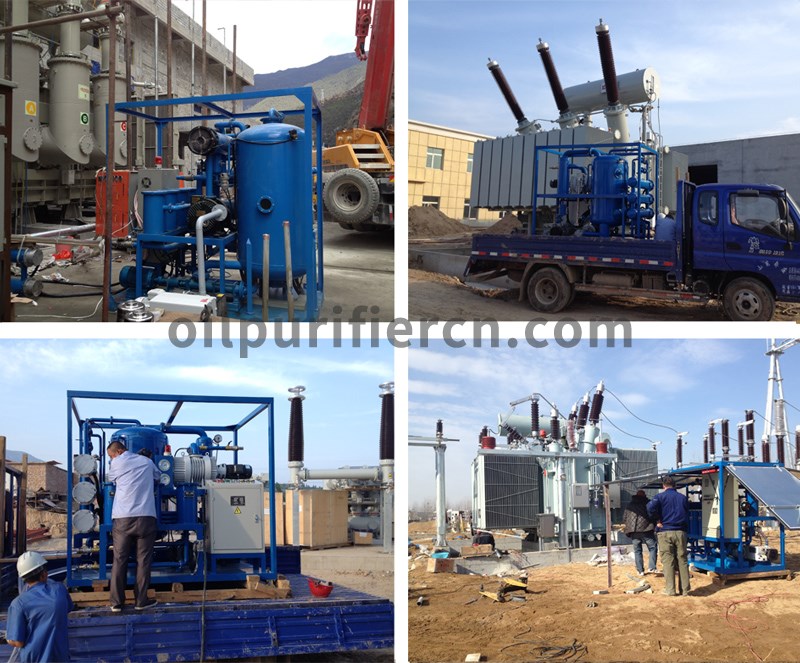
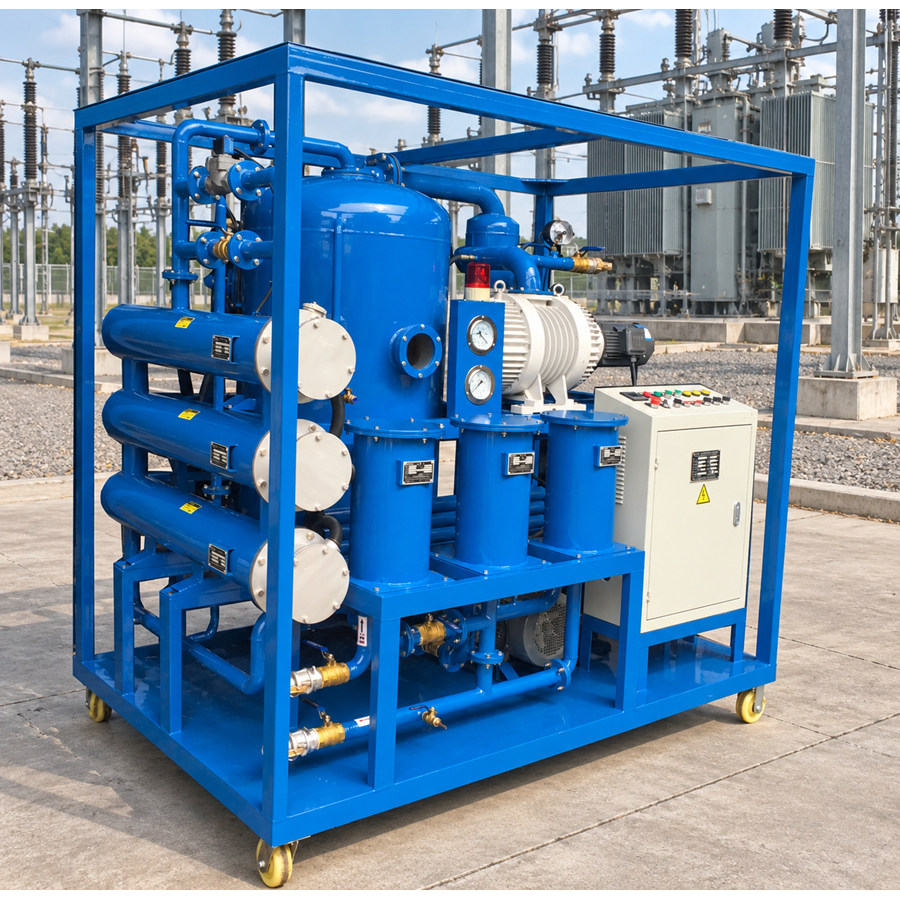
A vacuum transformer oil purifier is generally suitable when high dielectric loss is associated with moisture, air, dissolved gas and suspended contamination. The equipment normally combines heating, filtration and vacuum treatment, allowing the oil to be processed through several stages before it is returned to the transformer or placed in clean storage.
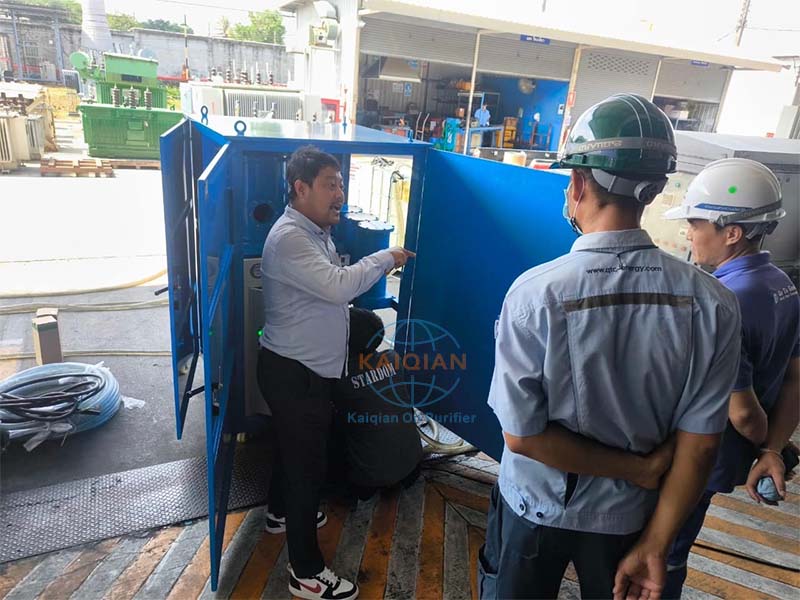
The purifier should be selected according to the oil volume, initial contamination, required treatment result, viscosity, site conditions and connection method. Poor vacuum, air leakage, incorrect heating, excessive flow or saturated filter elements can reduce treatment performance. Heating should remain within the oil manufacturer’s and equipment manufacturer’s recommended range; excessive temperature may accelerate oxidation rather than improve oil quality.
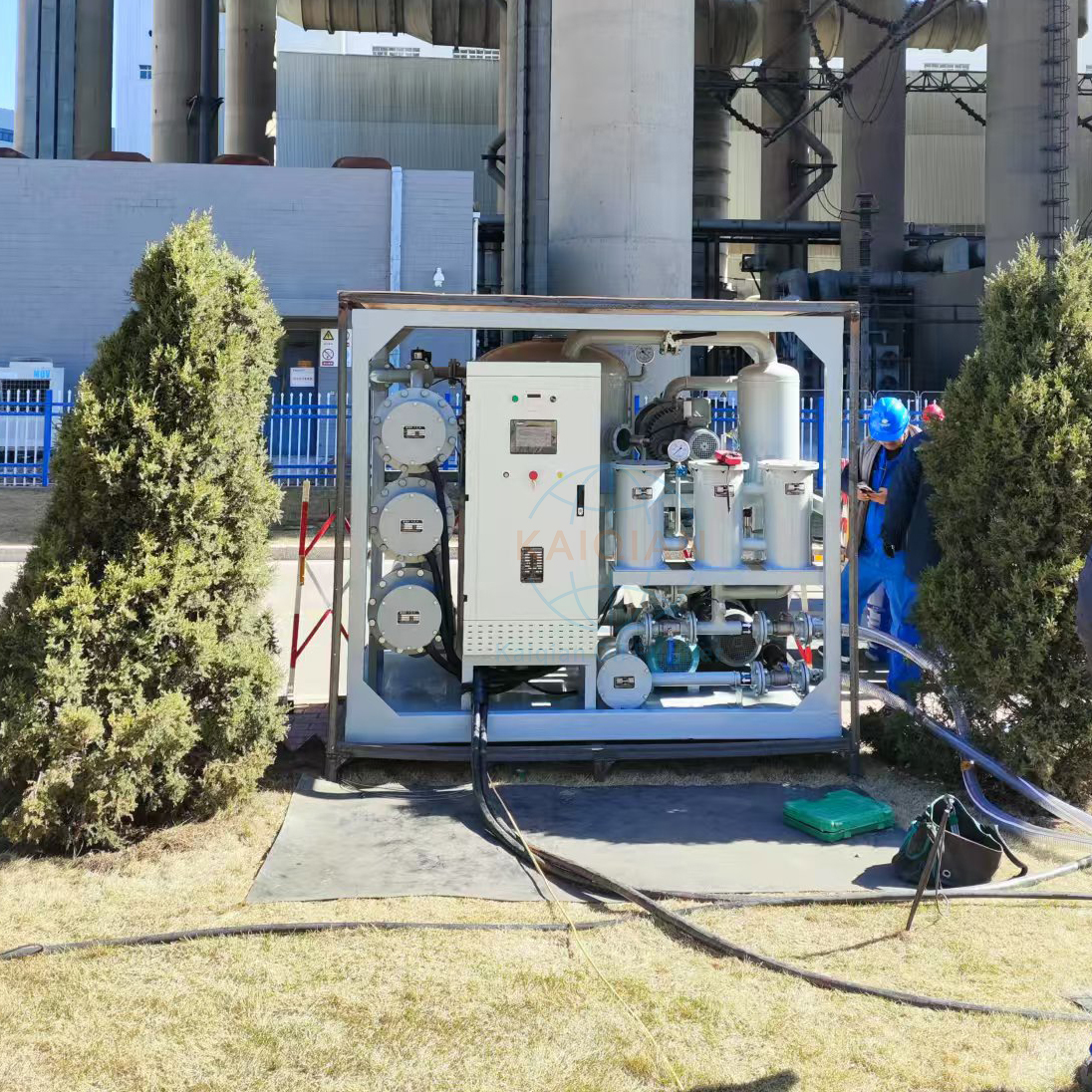
If the water content and particle level have improved but the dielectric loss remains high, the oil may contain oxidation products, acidic compounds, sludge-forming substances or other polar degradation products. In this situation, repeated filtration is usually not enough. An adsorption-based regeneration process may be considered after laboratory evaluation, but its suitability depends on the oil condition and the required final use.
Severely aged, chemically degraded or contaminated oil may not be economically or technically recoverable through routine purification. Oil replacement or a specialized regeneration process may be safer than attempting to restore it with a standard vacuum filter. Transformer condition, oil volume, outage arrangements and disposal requirements should also be considered before making the decision.
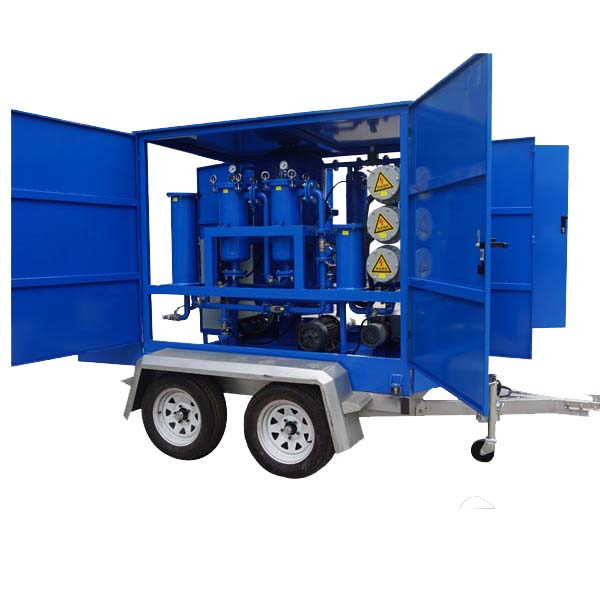
Do not judge the treatment result only by improved appearance or a single immediate test. Circulate the oil adequately, allow the system to stabilize when required, and take a properly prepared sample from the correct sampling point. Then compare the post-treatment results with the original data and the applicable acceptance criteria.
Dielectric loss or dissipation factor
Breakdown voltage
Water content
Acidity and interfacial tension
Particle contamination and visual condition
Dissolved gas or other diagnostic indicators when required
If the oil repeatedly fails after suitable treatment, investigate the transformer itself rather than continuing to process the oil without a diagnosis. Water ingress, insulation aging, overheating, contaminated oil compartments and poor sealing may cause the oil to deteriorate again. The final handling method should therefore be based on test data, transformer condition and the intended operating requirement, not on color or short-term appearance alone.
Address:No.66 Kecheng Road,Jiulongpo District, Chongqing, China
Phone:0086 13983031725
Whatsapp:0086 13983031725
Email:oilpurification@kaiqiancq.com