You Are Here: Home > NEWS > Oil Purifier Technology
Writer: Kaiqian Oil Purifier Release time:2026-11-23 10:17 Clicks:
A modern vacuum oil purifier typically requires only one trained operator during routine continuous operation. Advanced automation, automated float valves, anti-foaming controls, and safety interlocks allow a single technician to safely monitor the machine. However, two operators are recommended during equipment setup, hose deployment, or when working in high-voltage electrical substations where strict safety protocols apply.
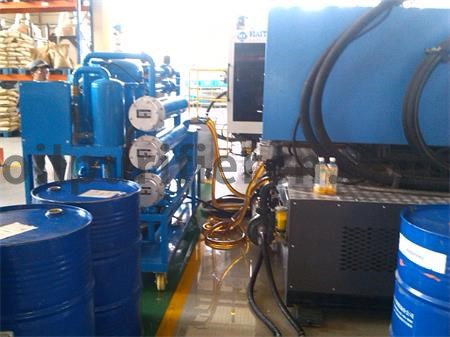
While the machine's internal process is largely self-regulating once running, site conditions and process phases influence labor requirements:
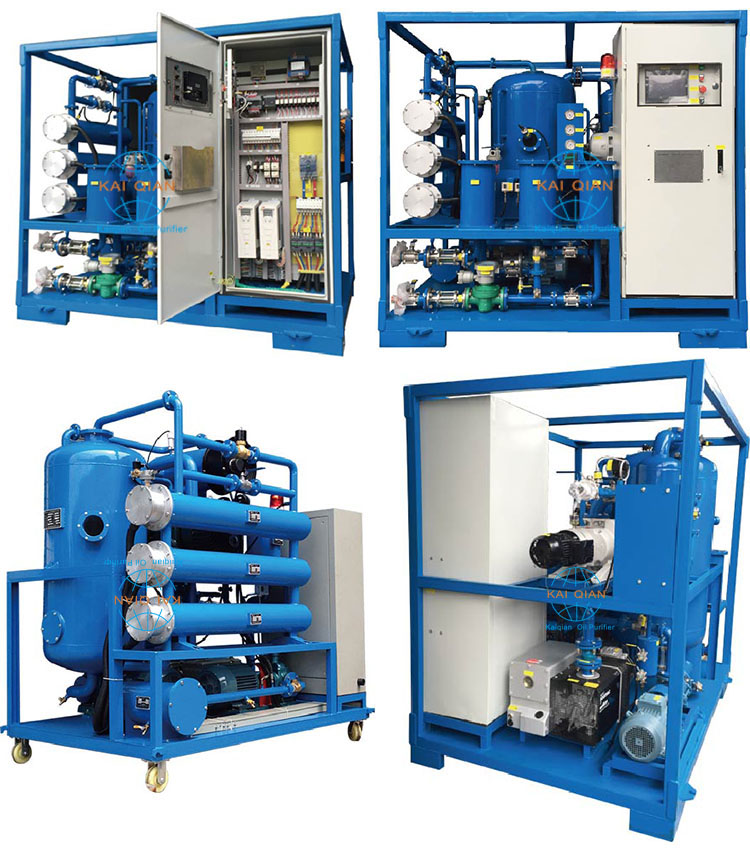
Automation Level: Units equipped with programmable logic controllers (PLCs), automatic liquid level controls, and pressure protection switches reduce manual intervention to simple periodic monitoring. Older or fully manual machines require closer supervision.
Operation Phase: Initial positioning, connecting heavy oil hoses, running power cables, and securing ground lines require physical effort and dual verification. Once fluid circulation and vacuum levels stabilize, one person can manage routine checks.
Work Environment: In live electrical substations or hazardous industrial sites, facility regulations often enforce a two-person safety policy—one technician performing the procedure and a second serving as a safety observer.
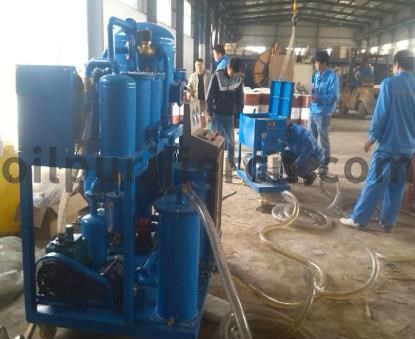
Technicians inspect inlet and outlet hoses for damage, securely clamp quick-connect fittings, establish electrical grounding, verify valve positions, and check vacuum pump oil levels. Having two workers speeds up hose routing and reduces the risk of incorrect valve configuration or oil spills.
Once the machine achieves working vacuum pressure and desired heating temperature, a single operator handles routine tasks:
Monitoring vacuum levels, oil temperature, and system pressure gauges.
Checking sight glasses for foam control and water discharge.
Inspecting fluid pressure drops across filter elements to determine when replacement or backwashing is needed.
Taking inline oil samples for moisture and dielectric strength testing.
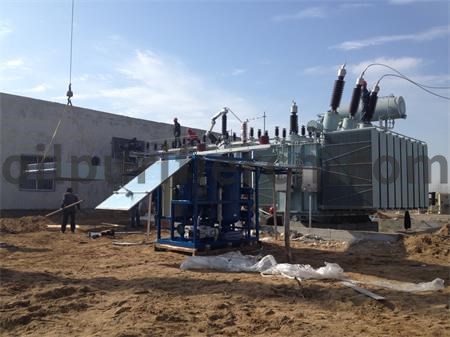
After treatment is complete, heating elements are turned off while oil continues circulating to cool down. Once cooled, the vacuum is released, pumps are stopped, and lines are isolated. Disconnecting heavy, oil-filled hoses and packing up cable reels is safer and cleaner with two technicians.
For standard maintenance inside a plant, a single qualified operator can safely run a modern vacuum oil purifier. When operating on high-voltage equipment, performing site-to-site field service, or handling heavy hose runs, assigned teams of two ensure compliance with industrial safety regulations and quick setup times.
Address:No.66 Kecheng Road,Jiulongpo District, Chongqing, China
Phone:0086 13983031725
Whatsapp:0086 13983031725
Email:oilpurification@kaiqiancq.com