You Are Here: Home > NEWS > Oil Purifier Technology
Writer: Kaiqian Oil Purifier Release time:2026-11-23 10:03 Clicks:
Operating an oil purifier is not simply a matter of starting the pump and allowing oil to pass through a filter. The correct procedure must match the oil type, contamination condition, treatment objective and actual configuration of the machine. A typical vacuum oil purifier process includes preparation, connection, preheating when required, filtration, vacuum dehydration, treated-oil discharge, shutdown and quality verification.
The sequence below is a general operating guide for industrial oil filtration machines. Valve names, control-panel functions, heating limits and automatic sequences vary between models, so the equipment manual and the actual process status on the control panel must take priority.
Confirm the oil type and treatment objective.
Inspect the machine, pipelines, electrical system and oil tank.
Connect the inlet, outlet and drain lines correctly.
Start the oil circulation or feed system according to the machine design.
Activate heating and vacuum dehydration when required.
Monitor pressure, temperature, vacuum, flow and leakage during operation.
Check the treated oil and adjust the process if necessary.
Stop heating, release the vacuum and shut down the machine in the correct order.、
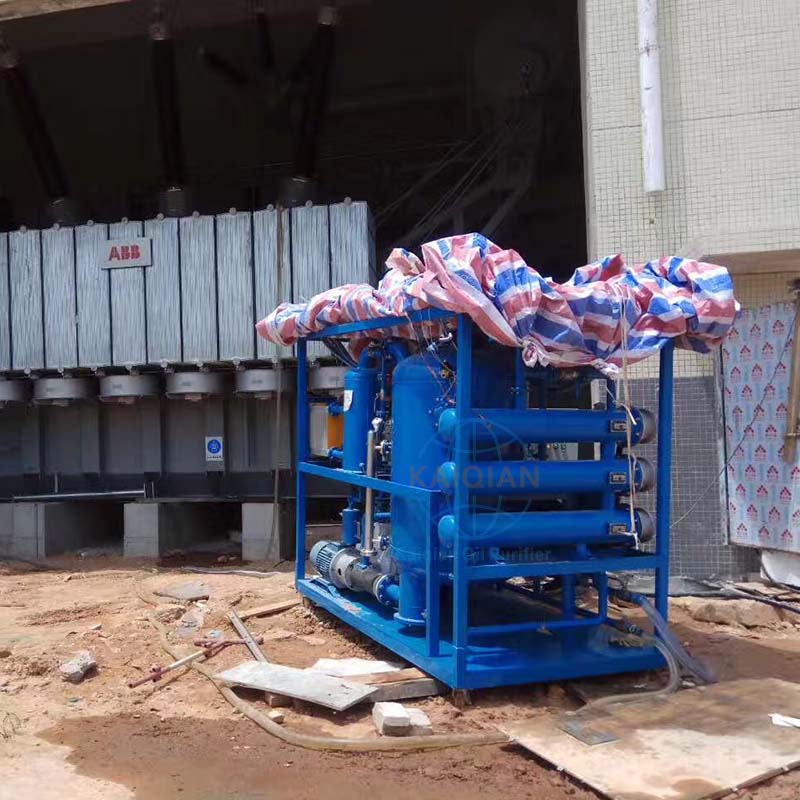
Before starting the purifier, identify whether the oil is transformer oil, hydraulic oil, turbine oil, engine oil, gear oil or another industrial fluid. The same machine may be used for different oils only when the materials, filter stages, operating temperature and process design are suitable for those oils.
The treatment target should also be defined in advance. Removing suspended particles is different from removing free water, dissolved moisture, gases, oxidation products or sludge. A standard filtration unit may improve cleanliness, while a vacuum oil purifier can remove water and gases under suitable operating conditions. Neither process should be assumed to restore severely oxidized oil or convert used oil directly into qualified base oil or diesel fuel.
Check the oil tank, hoses, valves, filter housings, pump, heater, vacuum system, electrical cabinet and safety devices before energizing the equipment. Confirm that the filter elements are installed correctly, access covers are tightened, drain valves are closed when required, and the oil level is sufficient for stable circulation.
Inspect the power supply and grounding, and verify that emergency-stop devices and alarms are available. If the previous batch used a different oil, pay attention to residual oil in the tank, pipes and filter housings. Cross-contamination can affect the treated oil and may require line draining or cleaning before operation.
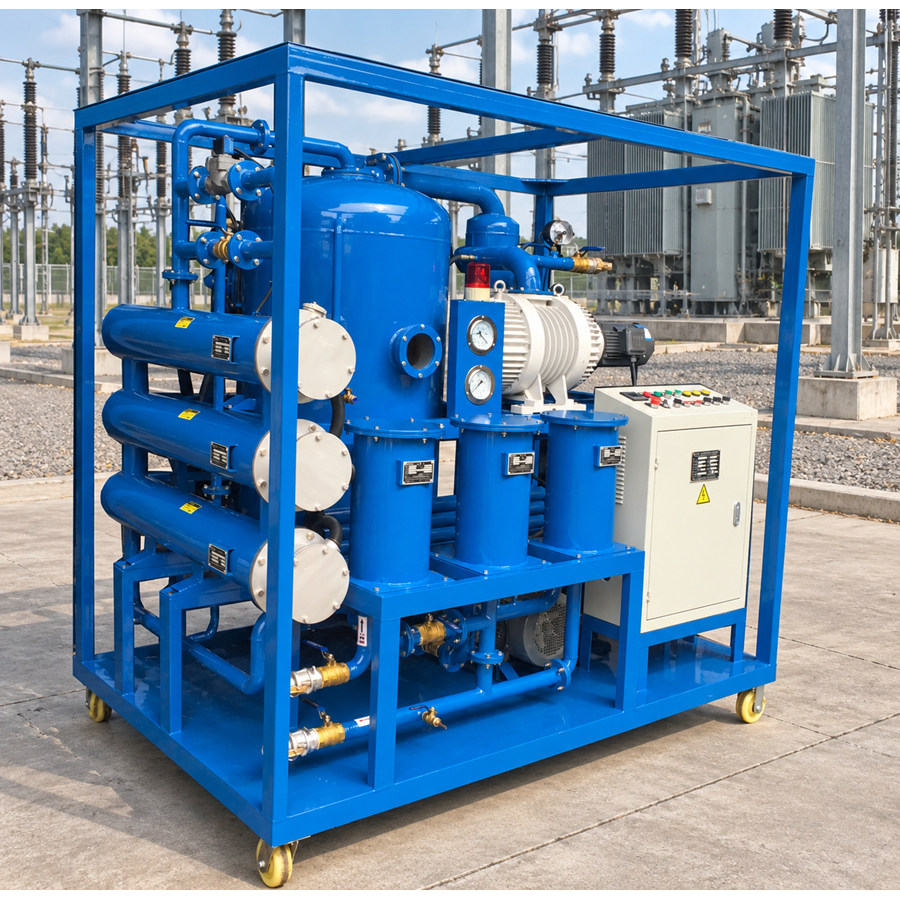
Connect the suction line from the source tank to the purifier inlet and connect the clean-oil outlet to the receiving tank. The flow direction must agree with the markings on the machine. Do not rely only on hose appearance, because a reversed connection can cause poor circulation, pump cavitation or abnormal pressure.
Make sure the hoses are supported and free from sharp bends. Check all threaded joints, flanges and quick couplings for sealing. For vacuum-equipped machines, even a small air leak can reduce vacuum stability and weaken dehydration performance.
Open the required inlet and outlet valves before starting the feed pump. On machines with separate transfer, circulation or discharge pumps, follow the manufacturer’s specified starting sequence. After starting, observe the oil flow, pump sound, pressure indication and connections for several minutes.
If the pump runs but the flow is unstable, stop and investigate the cause instead of repeatedly restarting it. Possible causes include insufficient oil in the source tank, closed valves, blocked suction lines, excessive oil viscosity or air entering the suction circuit. Continuing operation under these conditions can damage the pump and reduce processing stability.
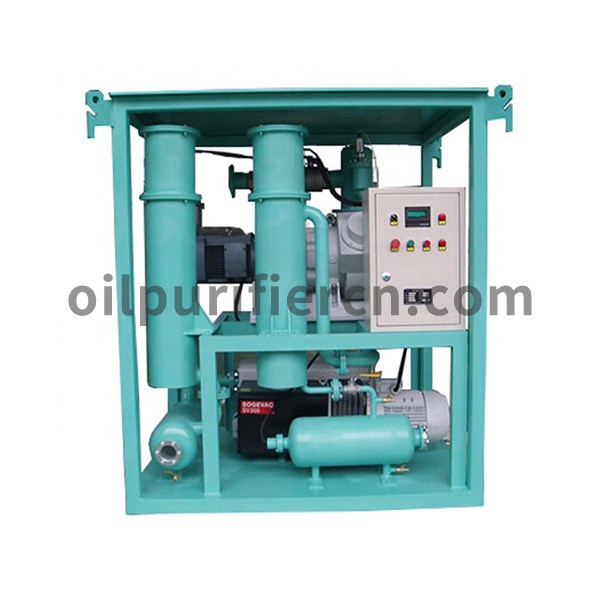
Heating can reduce oil viscosity and improve the separation of water and gases, but the temperature must be suitable for the oil and equipment. Excessive heating may accelerate oxidation, increase evaporation of light components or affect oil properties. The correct setpoint depends on the oil type, moisture condition and machine design rather than on a universal value.
After circulation is stable, start the vacuum system if the purifier is designed for vacuum dehydration. Monitor the vacuum gradually and check whether the vacuum remains stable. Poor vacuum performance may result from leaking seals, insufficient oil temperature, a blocked demister, excessive water loading or a fault in the vacuum pump. Vacuum treatment is also less effective when water is strongly emulsified or dissolved beyond the practical capability of the selected process.
During operation, monitor filter differential pressure, oil temperature, vacuum, flow rate, pump current and visible leakage. A rising differential pressure usually indicates that the filter element is loading with contaminants. Do not continue operating indefinitely with a blocked element, because the pump may be overloaded and the actual treatment flow may fall below the required level.
Abnormal noise, vibration, oil foaming, unstable pressure or repeated alarms should be treated as process warnings. The operator should identify whether the issue comes from the oil condition, valve position, filter blockage, air ingress, instrument error or a component fault. Alarm reset alone does not remove the underlying cause.
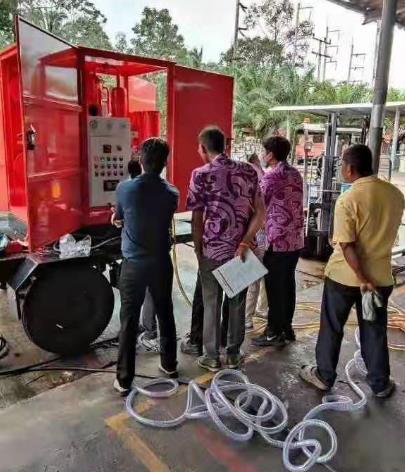
Oil appearance can provide a preliminary indication, but color and transparency cannot prove that the oil meets its service requirement. Depending on the application, verification may include particle cleanliness, water content, breakdown voltage, viscosity, acid number or other relevant properties. Only the indicators related to the intended use should be selected and tested using an appropriate method.
Sampling must be representative. Take the sample from a properly flushed sampling point after the system has reached stable operation, and use a clean, compatible container. If the result is unsatisfactory, confirm the sampling method and operating condition before concluding that the purifier has failed.
When treatment is complete, stop the heating system first or follow the shutdown sequence specified by the equipment manufacturer. Continue circulation for the required period if the process design calls for heat removal or oil displacement. Then stop the feed and discharge pumps, isolate the oil circuit and release the vacuum gradually where applicable.
Do not open filter housings, vacuum chambers or drain ports while the equipment is still pressurized, hot or under vacuum. After shutdown, inspect the machine for leakage, record operating conditions and drain separated water or collected sludge according to the site procedure.
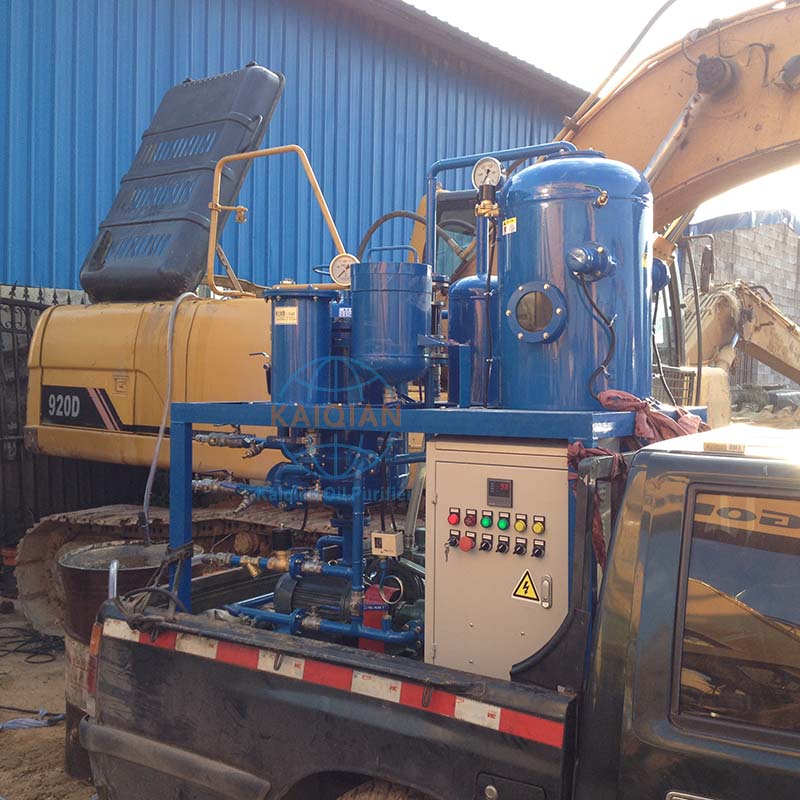
Match the purifier configuration to the oil type and contamination condition.
Distinguish particle filtration from water removal, gas removal and oil regeneration.
Use heating only within the temperature range suitable for the oil and equipment.
Monitor differential pressure to determine when a filter element requires inspection or replacement.
Investigate alarms, unstable vacuum and abnormal pump behavior before restarting.
Judge treatment results through representative testing rather than appearance alone.
Follow the actual machine manual whenever its sequence differs from this general guide.
A clear operating sequence helps the oil purifier work within its intended process range, but it cannot compensate for unsuitable equipment selection or severely degraded oil. For a reliable result, the operator should evaluate the oil condition, define the required quality, verify the machine configuration and confirm the treated oil through application-relevant testing.
Address:No.66 Kecheng Road,Jiulongpo District, Chongqing, China
Phone:0086 13983031725
Whatsapp:0086 13983031725
Email:oilpurification@kaiqiancq.com